2019
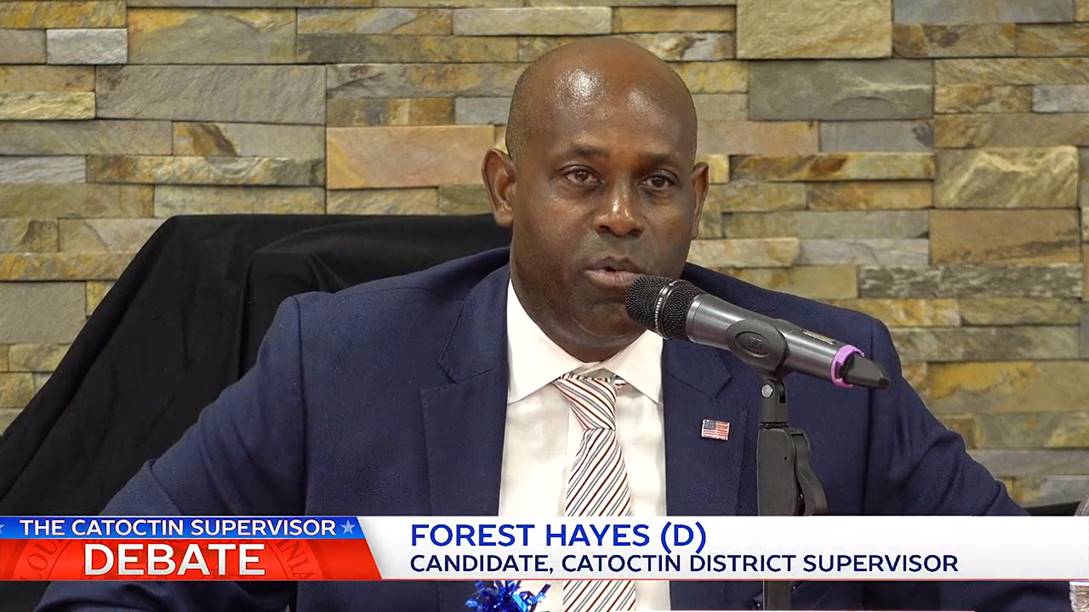
Same message, on air
The Catoctin Supervisor debate — workforce housing and fair growth, six years before it was everyone's issue.
Three fights, one through-line: Loudoun should work for the people who make it work. He's been saying it for years — here's what it means in practice.
Teachers, firefighters, sheriff's deputies, and nurses serve Loudoun every day — and then drive home to Frederick, Maryland or Winchester, because the county they serve is a county they can't afford. That's not a housing statistic. That's a warning light for every school, firehouse, and hospital in Loudoun.
Forest isn't new to this. He's a career affordable-housing professional — the only voice in the room who has actually financed and built the housing everyone else talks about. As Planning Commission Chair, he pushed to make growth pay for the community it lands on, including demanding workforce-housing investment as a condition of major rezonings.
"If you serve Loudoun, you should be able to live in Loudoun."— Forest Hayes
"We must hold the data center industry accountable."
Loudoun is the data center capital of the world, and Virginia holds the largest concentration of data centers on the planet. The question isn't whether they should be here — they're here. The question is what Loudoun gets in return. Forest's answer has never changed: it's not either/or, it's both/and. Keep paying the taxes that keep ours low, shrink the footprint on our land, water, and grid, and invest in this community over and above the tax bill.
On September 18, 2026, Governor Spanberger signed Executive Order 22, launching Virginia's Data Center Accountability Framework — a comprehensive effort to rein in the rapid, unregulated expansion of server warehouses and AI infrastructure. It puts real tools in Loudoun's hands:
"In addition to lowering our taxes, the extremely profitable data center industry should contribute to a Workforce Housing Production Trust Fund (WHPTF). The WHPTF would strengthen the county's ability to close funding gaps in support of affordable housing tax credit developments."— Forest Hayes
Affordability is the through-line of everything Forest fights for — the cost of housing, the pressure on family budgets, the price of staying in the county you grew up in. Loudoun collects and spends more than almost any county in Virginia. Those dollars belong to the people who earned them.
"This has been the thing all along. It's just that now everybody's feeling it."— Forest Hayes
The Catoctin Supervisor debate — workforce housing and fair growth, six years before it was everyone's issue.
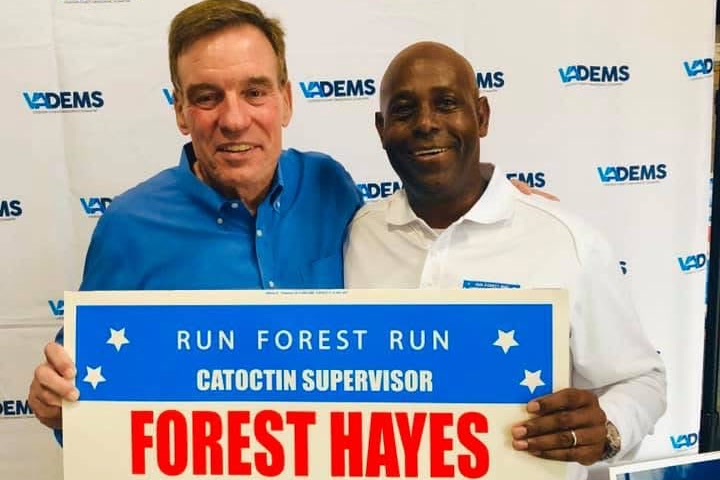
The 2019 campaign built the foundation — the volunteers, the sign, the slogan — that this movement stands on today.
Grassroots dollars keep this voice independent — no strings, no favors owed.